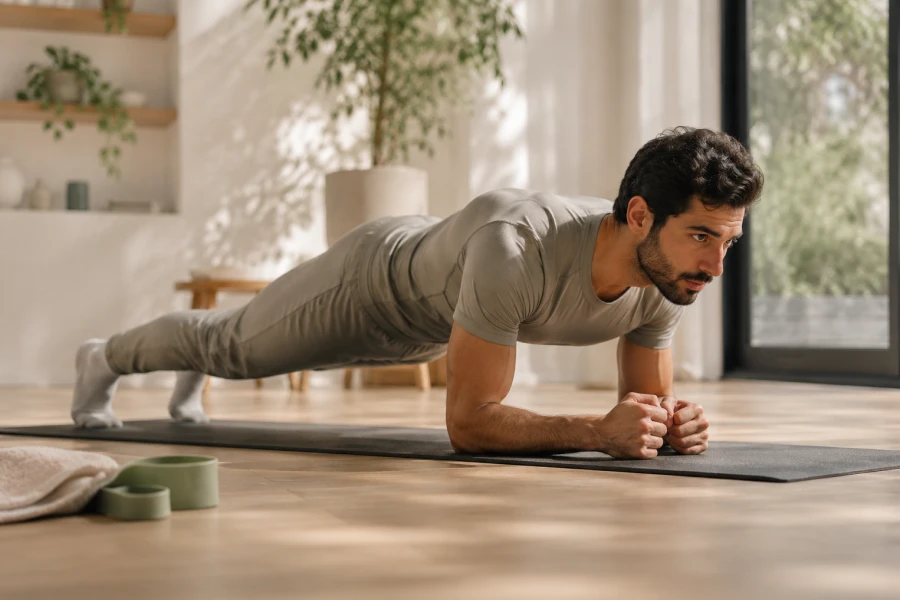
Pilates for core strength works through control, coordination, and steady muscular connection. It does not depend on endless crunches or aggressive bracing. The method trains the trunk to support movement in several directions. Breathing becomes part of that support instead of an afterthought. Exercises often appear small while demanding precise attention. The deeper challenge comes from maintaining alignment as limbs move. This approach can improve stability during daily tasks and other workouts. It also encourages awareness of unnecessary tension. A strong center should help movement feel freer, not more rigid. Consistent practice gradually turns subtle control into dependable strength. That coordination gives the trunk adaptability instead of teaching it to remain permanently braced. This responsive strength supports both stillness and movement. The method rewards patience because refined coordination takes time to become automatic and reliable. With practice, that understanding becomes clearer from week to week.
The core includes more than the visible abdominal muscles. It involves the trunk, pelvic floor, diaphragm, back, and hips. These areas coordinate to manage pressure and transfer force. A useful mind body fitness approach teaches you to feel that coordination. Start by noticing the ribs, pelvis, and breath in simple positions. Avoid pulling the stomach inward as hard as possible. Instead, create gentle support while maintaining natural breathing. Let the spine remain long rather than flattened by force. Small, accurate engagement prepares the body for stronger movements. Understanding this system changes how every exercise feels. Adaptable support is especially valuable when movement changes direction unexpectedly. The body learns to stabilize without becoming stiff.
Breathing helps organize the trunk during effort. A wide inhale expands the ribs without lifting the shoulders. The exhale can support deeper abdominal connection during challenging phases. Do not hold the breath to create artificial stability. Breath holding often adds tension in the neck and jaw. A controlled no equipment pilates practice makes breathing easier to observe. Match each breath to a clear movement phase. Slow down when the pattern becomes confusing. With repetition, breathing and effort begin to feel coordinated. That rhythm supports endurance because the body does not fight itself. Awareness should remain subtle enough that breathing and movement still feel natural. Smooth breathing keeps effort organized and easier to sustain.
Progress begins by increasing control before increasing complexity. Keep both feet grounded until the pelvis stays stable. Then lift one leg without changing the trunk position. Longer levers can increase demand significantly. A structured pilates workout plan helps these steps appear in a sensible order. Reduce range when the lower back or neck begins compensating. Add repetitions only while breathing remains smooth. Rest between sets if alignment starts fading. Stronger variations should feel challenging but still recognizable. Safe progression makes improvement repeatable instead of dramatic and temporary. Forceful tension usually reduces the quality you are trying to build. Each progression should preserve the original movement pattern.
Core control should support ordinary movement outside a workout. Notice how the trunk responds when carrying groceries or climbing stairs. Use gentle support before lifting something awkward. Keep breathing instead of stiffening the entire torso. Sitting posture also benefits from dynamic endurance rather than rigid holding. Shift positions regularly and let the spine move. During other workouts, apply the same awareness to squats and presses. Better coordination can make force feel more evenly distributed. The goal is not maintaining constant tension. It is accessing appropriate support whenever movement requires it. Breath can also reveal when an exercise has become too difficult. Practice outside formal sessions makes the skill more dependable.
Neck discomfort often appears when the head lifts without trunk support. Use a folded towel or keep the head down initially. Think about length through the crown instead of pulling the chin inward. Lower-back strain may signal excessive range or lost pelvic control. Reduce the movement until the abdomen can stay connected. Keep knees bent when straight legs create too much leverage. Stop when pain feels sharp or persistent. Recheck the setup before trying another repetition. Strong core work should challenge muscles without compressing joints. Modifications make the intended pattern clearer and more productive. If breathing disappears, reduce the range before adding another repetition. Good modifications allow challenge without sacrificing trust in the body.
Progress may first appear as less shaking during familiar exercises. Breathing might remain steady through movements that once felt overwhelming. Transitions can become smoother and more controlled. Notice whether daily lifting feels more organized. Track one or two benchmark exercises every few weeks. Avoid testing maximum difficulty in every session. Consistency reveals changes better than constant novelty. Some improvements will feel subtle before becoming visible. Respect those small signs because they reflect deeper coordination. Core strength grows through repeated quality, patient attention, and thoughtful challenge. Gradual steps let connective tissues and coordination adapt alongside muscular strength. Subtle improvements often become the foundation for larger physical changes.



Leave a comment